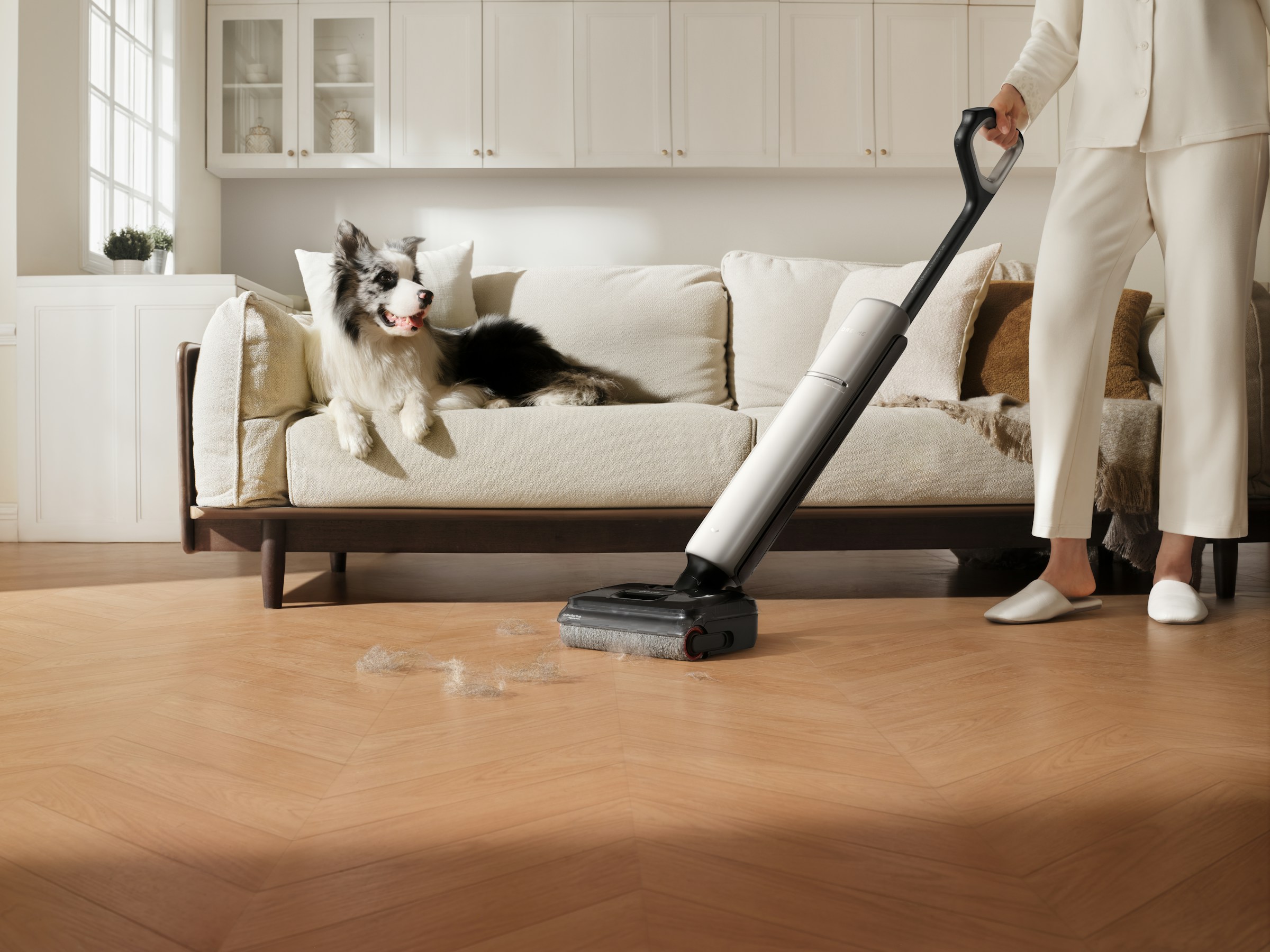
A standard clean is a maintenance clean that covers floors, dusting, making the beds, bathrooms, kitchen worktops, hob, microwave and bins. Inside the oven and fridge, interior windows, laundry and changing bed linen are extras, which I price separately.
Why I’m Writing This
I own and run Northfields Clean, a cleaning company based in West London. Pretty much every single week, I’m hiring cleaners, talking to cleaners, and figuring out whether they’ll fit into the company, whether they’re qualified, and whether they’ll actually do a good job. So I spend a lot of time thinking about what a clean should look like, not just on paper but in someone’s home.
The question I get asked most by clients is simple: what’s actually included in a standard clean? When people ask, we send them the list. But the list is only half the story, and I want to give you the other half too.
What a Standard Clean Actually Is
A standard clean is a maintenance clean. It’s designed to keep a home that’s already in decent shape clean and fresh on a regular basis, whether that’s weekly, fortnightly, or monthly.
That’s the key word: maintenance. A standard clean isn’t designed to rescue a home that hasn’t been touched in months, and it isn’t a deep clean. I’ll explain why that matters further down, because it’s the single biggest cause of disappointment I see.
What’s Included in Our Standard Clean, Room by Room
Living Areas and Bedrooms
- Vacuuming, sweeping and mopping floors
- Removing cobwebs
- Dusting all surfaces and items
- Dusting ceiling fans, light fittings, blinds and vents
- Dusting skirting boards and window sills
- Making the beds
- Cleaning light switches
- Cleaning and disinfecting door handles
Bathrooms
- Cleaning and disinfecting counters, sinks, showers, baths and taps
- Cleaning and disinfecting toilets
- Cleaning and disinfecting floors, and vacuuming any carpet
- Cleaning mirrors
- Wiping down the fronts of cabinets and drawers
- Dusting light fittings, blinds, vents, skirting boards and window sills
- Removing cobwebs
- Emptying the bins and wiping them down
- Cleaning light switches and door handles
Kitchen
- Sweeping and mopping
- A thorough dust, including removing cobwebs
- Cleaning and disinfecting sinks, taps and worktops
- Wiping down the outside of appliances, cupboards and drawers
- Cleaning and disinfecting the microwave, inside and out
- Wiping down the outside of the extractor hood
- Cleaning the hob, burners and knobs
- Polishing stainless steel
- Emptying the bins and wiping them down
- Wiping light switches and cleaning and disinfecting door handles
What’s Not Included in a Standard Clean
This is where expectations can drift. The things people most often assume are part of a standard clean, but aren’t, are:
- Inside the oven
- Inside the fridge
- Interior windows
- Laundry and ironing
- Changing the bed linen
You can have every one of these. They’re just extras, at an extra cost. My advice is to ask any cleaning company for its list before you book, so you know exactly what you’re paying for.
How a Standard Clean Compares to a Deep Clean and an End of Tenancy Clean
Deep Clean
A deep clean covers everything in the standard clean and then goes further. Instead of dusting the skirting boards and window sills, we wipe them down. We also wipe down door frames and the furniture itself, and we vacuum under furniture. Anything light enough to move safely gets moved, but our cleaners won’t lift anything heavier than about 9 kg. Ceiling fans and light fittings get properly cleaned rather than just dusted. In short, the standard clean handles the day-to-day, and the deep clean gets to the build-up the standard clean doesn’t reach.
End of Tenancy or Move In/Move Out Clean
This one’s different again, because the home is empty. That means we can go inside everything: cupboards, drawers and appliances, all cleaned inside and out. We also wipe down vents, blinds, skirting boards, door frames and window sills in every room, and spot-clean the walls.
There are a few conditions for this type of clean:
- The property needs to be empty before we arrive.
- There can’t be anyone else working in the space, such as removal people or tradespeople.
- The electricity and water need to be on.
- If the home is particularly dirty, we may need to add a First Time Clean so our cleaners have enough time to do the job properly.
One honest note: we don’t wipe thin metal or plastic blinds because they bend and break easily. And some marks on walls won’t come off with cleaning, so those might need a lick of paint.
The List Doesn’t Tell You the Quality of the Clean
This is the part I really want you to take away. The list tells you what’s included. It doesn’t tell you the standard of the clean or the quality of it.
Two cleaners can work through exactly the same checklist and leave you with two very different homes. The obvious difference between a great clean and a run-of-the-mill one is the finishing touches. When I’m interviewing and vetting cleaners, these are the little things I’m looking for:
- The corners of a desk. A run-of-the-mill clean dusts around whatever’s sitting on the desk. A great clean lifts everything up, cleans underneath, and doesn’t leave dust sitting in the corners.
- The bathroom mirror. “Mirrors cleaned” is on every list. But a mirror with smudges still on it hasn’t really been cleaned. Thoroughness is the difference.
- The skirting boards. A great cleaner does the whole skirting board, not just the easy bits in between the furniture.
- Movable furniture. If something isn’t fixed to the floor and isn’t extremely heavy, a great cleaner moves it and cleans underneath rather than just cleaning around it.
None of these gets its own line on a checklist. They’re the little nuances that show the quality of a clean, and they’re what you notice when you walk back into your home.
Why We Ask First-Time Clients to Book a First Time Clean
Here’s something I’ll be completely straight with you about. If your home hasn’t been professionally cleaned in the last 30 days, we recommend a First Time Clean before you start regular standard cleans.
The reason is simple. If we go into a house that hasn’t been professionally cleaned for a while and do a standard clean, most of the time, invariably, there’ll be a complaint. A standard clean is built for maintenance, so it doesn’t allow time for weeks or months of build-up. That’s not fair on the client and it’s not fair on the cleaner.
So what we say is, listen, let’s do a First Time Clean first. Call it a deep clean. That brings the home up to standard. Then your standard cleans, whether monthly, fortnightly or weekly, keep it there. That approach works, and I think it’s a big reason we can’t really point to a time our standard cleans or First Time Cleans have fallen short.
How Long Does a Standard Clean Take?
It depends on the type of house, but as a rule:
- A one-bed takes around 1 to 2 hours.
- A two-bed takes around 2 to 3 hours.
- Each extra bedroom adds roughly another hour.
How Often Should You Book a Standard Clean?
It really comes down to how quickly your house gets dirty, and that’s mostly about how many people are living in it.
- Fortnightly is by far the most popular choice with our clients.
- Monthly tends to suit some of our older clients and quieter homes.
- Weekly is more for very busy households, often multi-generational homes where there’s a lot of life going on every day.
There’s no right or wrong answer. Choose whatever keeps your home at the level you’re happy with.
How to Prepare for Your Cleaner
Honestly, there’s nothing you really need to do. Just make sure nothing on the floor would get in the cleaner’s way and stop them from cleaning properly. If you’ve got pets, secure them. Then let them get at it. Our cleaners are very professional and know exactly what they’re doing.
Cleaners Aren’t Renovators
If there’s one thing I’d love every client to understand, it’s this. Cleaners are not building renovators.
There’s an expectation that a clean should leave a house looking brand new, like the day someone moved into a newly built home. That’s a misconception, and it needs to be done away with. A clean won’t fix worn grout, tired paintwork or a scratched worktop.
What a good clean will do is bring your home up to a standard where it doesn’t look messy or dirty, and where it feels fresh and cared for. With the right starting point and regular maintenance, it’ll stay that way. That’s what a standard clean is for, and when it’s done properly, with the finishing touches, it makes a real difference.



Stay Updated
We will send you info about your business